
Naples, Fort Myers, Collier & Lee County

Author: Mac Hankins

Portable diesel generator AC at the showroom.

What Size Generator Do I Need? A Buyer’s Guide

Choosing the right standby generator starts with what you want to keep running during an outage. Air conditioning, refrigerators, water heaters, pool equipment, well pumps, and other large appliances can all affect how much power your home needs. Square footage provides context, but it doesn’t determine generator size on its own. The right answer to “what size generator do I need?” comes from evaluating your actual electrical loads, starting demands, and backup priorities.

Start With What You Want Powered During an Outage

Before comparing generator sizes, decide what you want available when the power goes out. Some homeowners want only essential circuits, while others want backup power for most or all of the home.

In Southwest Florida, air conditioning is often a top consideration. Central AC equipment has both running and starting power requirements, and other high-demand equipment, such as electric water heaters, pool pumps, well pumps, ranges, dryers, and EV chargers, can also shape the final recommendation.

If you want to compare different levels of backup coverage, the generator buyer’s guide explains which equipment homeowners may prioritize.

Why Square Footage Is Only a Starting Point

Two homes with the same square footage can have very different generator needs.

One may have a single air conditioner, gas cooking, and a gas water heater. Another may have multiple AC units, an electric range, pool equipment, and an electric water heater. Even though the homes are similar in size, their electrical demand during an outage could differ greatly.

Motor-driven equipment also matters because it can require extra power for a short period when it starts. Generator sizing needs to account for both normal running loads and the starting demand of applicable appliances and equipment.

Generator Sizing Examples for Southwest Florida Homes

These examples show how different equipment can change generator needs, rather than recommend a specific size for every home.

A Smaller Home With One AC Unit

Consider a home with one central air conditioner, gas cooking, a gas water heater, refrigeration, lighting, and common household outlets.

Because several major appliances use gas instead of electricity, the electrical load may be lower than a similarly sized all-electric home. Depending on the AC equipment and what the homeowner wants backed up, a smaller standby generator with load management may cover the desired loads.

A Mid-Sized Home With Two AC Units and a Pool

A home with two air conditioners, a pool pump, an electric water heater, an electric dryer, and kitchen appliances has more competing electrical loads.

The final generator size depends on which equipment must run during an outage and whether load management keeps several high-demand appliances from starting at the same time.

A Larger All-Electric Home

Larger homes may have several AC units, electric cooking, water heating, pool or spa equipment, EV charging, and other large electrical loads.

These homes may need a larger standby generator or more extensive load management, but square footage alone doesn’t determine the answer. A load assessment can identify what the selected equipment requires.

Your Pre-Estimate Generator Load Checklist
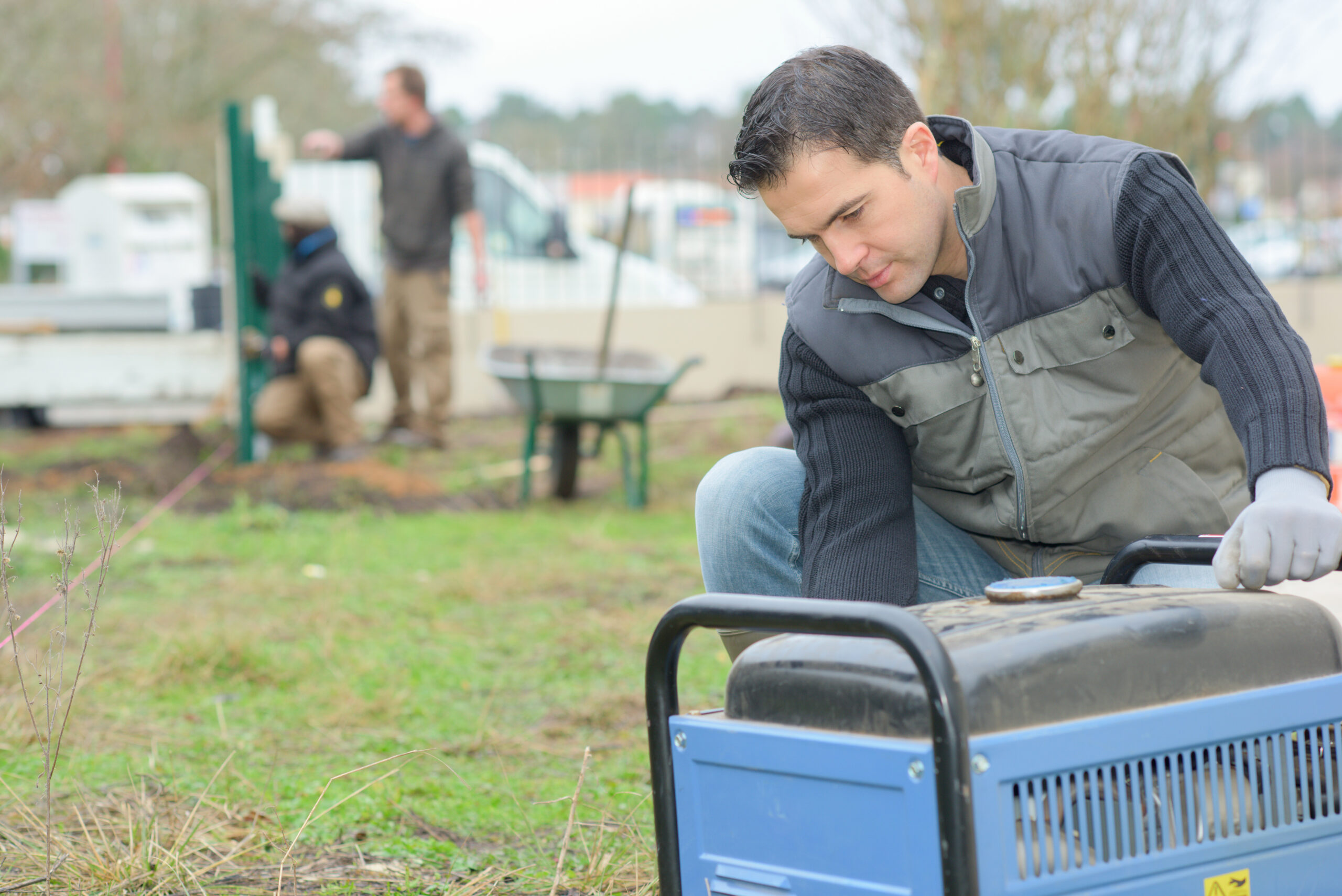
man starting generator

You do not need to calculate the final generator size yourself, but gathering a few details before your estimate can help.

  • AC equipment: Count the outdoor units and note the model information or tonnage if available.
  • Heat and hot water: Note whether your heating equipment, water heater, and dryer use electricity or gas.
  • Kitchen appliances: Check whether the range and oven are electric.
  • Pool, spa, and well equipment: List pumps, heaters, or other equipment you want available during an outage.
  • Other large loads: Include EV chargers, workshop equipment, or medical equipment that needs backup power.
  • Backup priorities: Decide what needs to stay on and what could temporarily remain off.
  • Electrical service: Note the size of the main electrical service if you know it.

A generator sizing calculator can give you an initial estimate, but the final recommendation should account for the home’s actual loads, starting requirements, load management, and electrical setup.

The transfer equipment must also work with the existing electrical service. If the panel needs attention before installation, an electrical panel upgrade may be part of the project.

Common Generator Sizing Mistakes to Avoid

One of the biggest mistakes is choosing a generator based only on the square footage of the home. Another is adding up appliance wattage without considering equipment that requires extra power when it starts.

It is also important not to assume that bigger is automatically better. The goal is to select equipment that matches the loads you want to support and how you plan to use backup power.

Generator size can also affect the overall project, including the equipment selected, fuel requirements, electrical work, and installation. Our generator installation cost guide explains some of the factors that can influence the final price.

Get Your Generator Sized for Your Home

Always On Generators has installed more than 2,000 standby generators across Southwest Florida since 2015. Every project starts with the equipment you want to power, your electrical setup, available fuel, and how you want your home to operate during an outage.

We can evaluate those factors and recommend a generator and load-management approach for your home. Request a free generator estimate to get started.

Frequently Asked Questions About Generator Sizing

How big of a generator do I need for a 2,000-square-foot house?

Square footage alone cannot determine the right generator size for a 2,000-square-foot home. A house with one AC unit and several gas appliances may need less backup power than a similar-sized home with multiple AC units, electric cooking, an electric water heater, and pool equipment. The final recommendation should be based on the loads you want to power and their starting requirements.

What size generator do I need for 200 amp service?

A 200-amp electrical service does not automatically require a particular generator size. The generator is sized around the electrical loads you want to support during an outage, while the transfer equipment and installation are designed to work with the home’s electrical service.

Can I run my whole house on a 12,000-watt generator?

It depends on the home and the loads you want to support. A 12 kW generator may be able to cover selected loads in a home with relatively modest electrical demand, especially when load management is used. Homes with several high-demand appliances may require more capacity.

Hurricane Season Generator Prep: What SWFL Homeowners Need to Know

When a hurricane is moving toward Southwest Florida, the last thing you want to wonder is whether your standby generator will be ready when the power goes out. Start storm preparation before the forecast cone shifts your way, so you have time to check the equipment, address maintenance needs, and ensure the generator is ready for an extended outage.

Hurricane season generator prep includes more than confirming that the unit can start. Homeowners should review fuel supply, maintenance status, battery condition, transfer switch operation, and the area around the generator before severe weather arrives. Knowing what to check ahead of time can help you catch problems before they become bigger issues.

Why Hurricanes Are Hard on Generators

A summer thunderstorm outage might last an hour. A hurricane outage in Southwest Florida can last days, which means your generator may run nonstop under a heavy load, AC included, in heat and humidity. That’s a very different job than the short weekly exercise cycle it runs the rest of the year.

Salt air, standing water, and months of sitting idle add up, too. Batteries weaken, connections corrode, and small problems that never show up during a ten-minute test can surface 30 hours into an outage. That’s why generator maintenance before peak season matters more here than in most of the country.

The Atlantic hurricane season runs from June 1 through November 30, according to the National Hurricane Center, and some of Florida’s most damaging storms have arrived in September and October. Prep done early covers you for the whole season, not just the next storm.

Hurricane Generator Prep: What to Check Before a Storm

Most of the work happens well before a storm is named. Here’s the checklist we recommend for Southwest Florida homeowners.

1. Schedule a Pre-Season Service Visit

A professional service visit is the single most useful thing you can do to prepare your home generator for storm season. A technician can run the generator under realistic conditions and catch wear that a homeowner would never see.

  • Oil change plus oil filter and air filter replacement
  • A 25-point inspection of the engine, wiring, and controls
  • Simulated outage testing
  • Battery diagnostics and anti-corrosion treatment
  • Transfer switch inspection

If your generator hasn’t been serviced in a year or more, book this first, before the rest of the list.

2. Test the Battery and Transfer Switch

Dead batteries and faulty transfer switches are two of the most common reasons a standby generator fails to start when the power goes out. The engine itself can be in great shape, but if the battery can’t crank it or the switch doesn’t move your home onto generator power, you’re still sitting in the dark.

  • Warning lights or error codes on the control panel
  • Slow or failed starts during the weekly exercise
  • A battery that is three or more years old

Any of these signs is worth a call for generator repair now rather than mid-storm.

3. Confirm Your Fuel Supply

Natural gas generators draw from the utility line, which generally keeps flowing during a power outage. Propane generators depend on what’s in the tank, and once a storm is close, delivery trucks stop running.

If you run on propane, check your tank level early and schedule a refill well before the forecast turns. If your tank seems undersized for a multi-day outage, it may be time to look at propane tank installation sized to your generator’s actual runtime needs.

4. Clear and Protect the Area Around the Unit

Your generator needs open airflow and safe clearance to run properly for long stretches. Storm debris and overgrown landscaping can block vents or damage the enclosure.

  • Trim shrubs and branches near the unit
  • Remove loose items that could become debris in high winds
  • Keep the manufacturer’s required clearance around the enclosure
  • Never wrap or tarp the unit, which can trap heat and exhaust

In flood-prone neighborhoods, an elevated pad or platform is the best protection, and you should plan for it during installation.

5. Know What Your Generator Will Actually Power

Some homes have a generator sized for the whole house, while others cover only essential circuits. If you’re still working out what size generator you need, start with the AC units and large appliances you want running during an outage. Knowing which one you have helps you plan what stays on, from the refrigerator and AC to medical equipment or a well pump.

Remote monitoring helps here, too. With monitoring in place, you or your service team can see the generator’s status from a phone, which is especially useful for seasonal residents who may be out of state when a storm hits.

6. Make a Plan if You Don’t Have a Standby Generator Yet

Portable generators can help, but they come with real safety risks. Never run one indoors, in a garage, or near open windows, and never plug it into a wall outlet to backfeed the house.  A manual transfer switch lets you connect a portable generator safely. For hands-free backup power that starts on its own, a standby generator installation is the long-term answer.

What Happens if You Skip Generator Prep

A generator that hasn’t been serviced may start on test day, then quit hours into a real outage when you need it most. Once a storm passes, repair schedules fill up fast across the region, and parts can be harder to get, which can stretch a short fix into days without power.

Staying ahead of it is simpler. A pre-season visit, a fuel check, and a clear area around the unit go a long way toward making sure your generator will work during a hurricane, not just on a calm afternoon.

Get Your Generator Storm-Ready With Always On Generators

Hurricane season can move quickly, so it helps to know your generator has been inspected, serviced, and prepared before severe weather hits. Always On Generators provides generator maintenance, repair, and installation throughout Naples, Fort Myers, Cape Coral, Bonita Springs, Marco Island, and surrounding Southwest Florida communities, with maintenance plans that include electronic monitoring between visits.

Schedule your pre-storm generator service with Always On Generators to ensure your standby generator is ready before the next storm threatens Southwest Florida.

How Much Does a Whole Home Generator Cost in Southwest Florida?

How much is this actually going to run me? It’s usually the first question homeowners ask once they’ve decided a whole home generator makes sense for their property, and it’s a fair one. A standby generator isn’t a small purchase, and the price range you’ll find online can feel more confusing than helpful, since it swings widely depending on who’s writing it and what they’re including.

The honest answer is that generator installation cost depends on several specific factors tied to your home, not a flat number that applies to everyone. Understanding what actually drives that price helps you get a realistic estimate instead of guessing, or worse, getting surprised partway through a project.

Why Generator Costs Vary So Much

A whole home generator installation isn’t just the price of the unit itself. It includes site work, electrical connections, permitting, and often gas or propane setup, and each piece changes depending on your specific property. Two homes on the same street can end up with meaningfully different quotes because one needs a bigger unit, sits in a flood zone requiring an elevated platform, or already has the electrical capacity the other one is missing.

That’s why an accurate number really only comes from an in-home or virtual estimate, not a generic online range. Once someone actually calculates your home’s load and looks at your property, the number gets specific fast.

What Actually Drives Generator Installation Cost

Here’s a breakdown of the factors that make the biggest difference in your final price.

Generator Size

The size of the generator you need is based on a load calculation, essentially a tally of what you want to keep running during an outage. A unit sized to cover a handful of essential circuits costs less than one built to power an entire home, including air conditioning. Bigger capacity means a bigger unit, which means a bigger price tag, so this is usually the biggest factor in total cost.

Fuel Type

Most standby generators run on natural gas or propane. If your home already has a natural gas line, connecting to it is typically simpler and less expensive than adding a propane system from scratch. Homes without natural gas access often need a propane tank installed as part of the project, which adds its own cost on top of the generator itself.

Site Preparation

Every generator needs a stable place to sit, usually a concrete pad. In flood-prone areas of Southwest Florida, that can mean an elevated platform instead of a standard pad, which adds material and labor costs. Site conditions like drainage, access, and how far the generator sits from your electrical panel can also affect the price.

Electrical Work

A standby generator needs an automatic transfer switch to move your home from utility power to generator power, and that switch has to match your home’s electrical panel. If your existing panel is outdated or doesn’t have the capacity to support a generator hookup, you may need a panel upgrade before installation can move forward, which is a real cost most people don’t think to budget for upfront.

Permitting

Generator installations require a permit in most Southwest Florida jurisdictions, and permitting fees vary by county and municipality. This is usually a smaller part of the overall cost, but it’s real, and a company that handles permitting quickly and correctly can save you from delays that end up costing more in the long run.

Residential vs. Commercial Scope

A generator for a single-family home is a different project than one for a business, both in unit size and in the complexity of the electrical work involved. Commercial installations often require larger load calculations and more extensive site planning, which naturally puts them at a higher price point than a typical residential job.

Getting a Number You Can Actually Trust

Because so many of these factors are specific to your property, the most useful thing you can do is skip the general online searching and get an actual assessment. A load calculation, a look at your electrical panel, and an honest conversation about your fuel options will tell you far more than any published price range.

It’s also worth asking whether financing is available. A generator is a meaningful investment, and a 0% or low-monthly option can make the timing easier without changing what gets installed.

Get an Accurate Estimate From Always On Generators

If you’re trying to figure out what a whole home generator actually costs for your property in Naples, Fort Myers, Marco Island, Bonita Springs, or the surrounding area, the fastest way to get a real number is a free in-home or virtual estimate from Always On Generators. Our team reviews your home’s load calculation, fuel options, and site conditions so you get a quote based on your actual property, not a guess.

Schedule Now

"*" indicates required fields

This field is for validation purposes and should be left unchanged.